Amelia’s River Plan
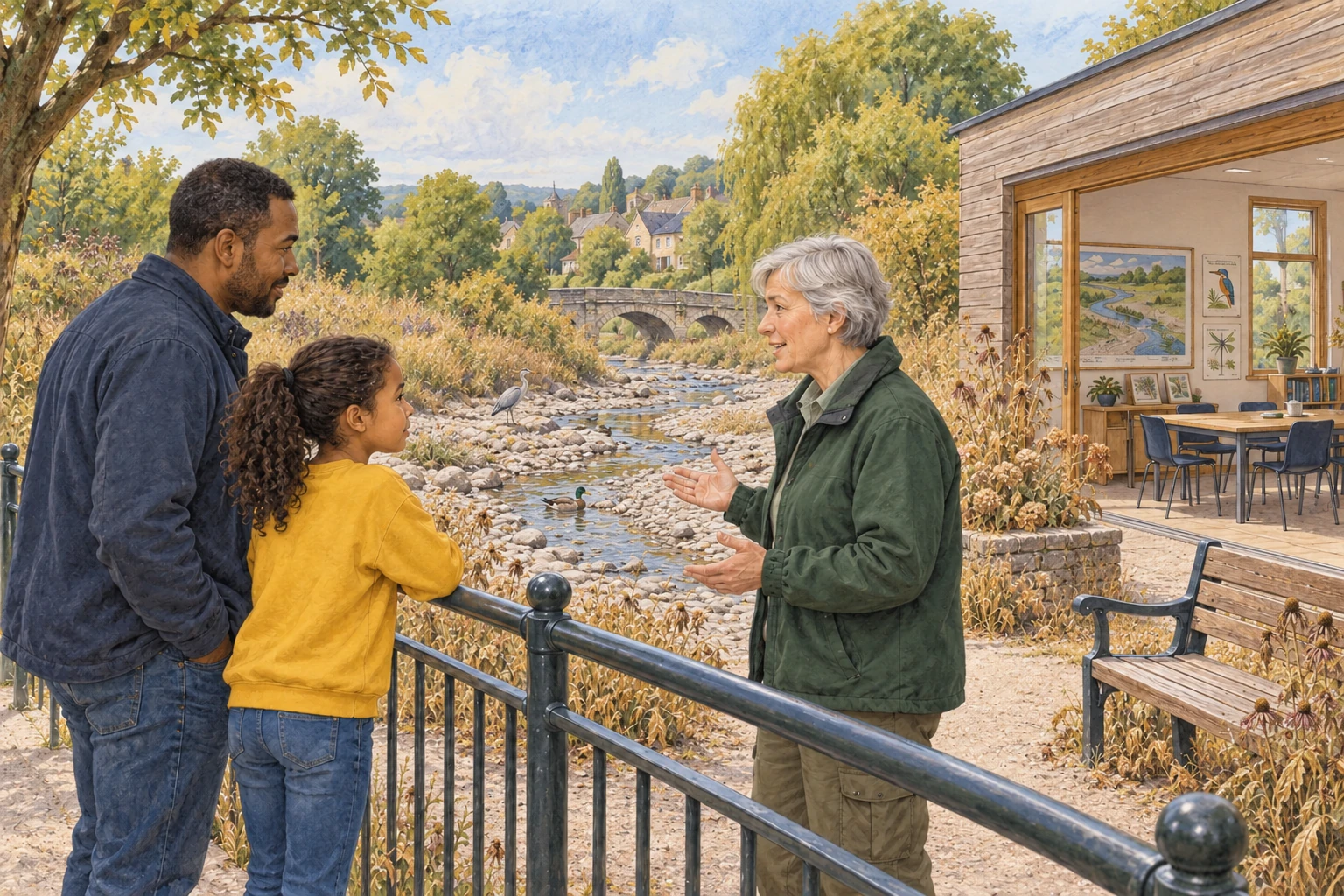
Shared Reading Books · Social Science · Year 4Amelia stopped beside the river with Dad. Usually, water hurried past the park, but today a thin stream wound between pale stones. The flower beds looked thirsty too. “Why not take more river water for them?” she asked. Ranger Ms Reed heard her question and invited them to an information afternoon.
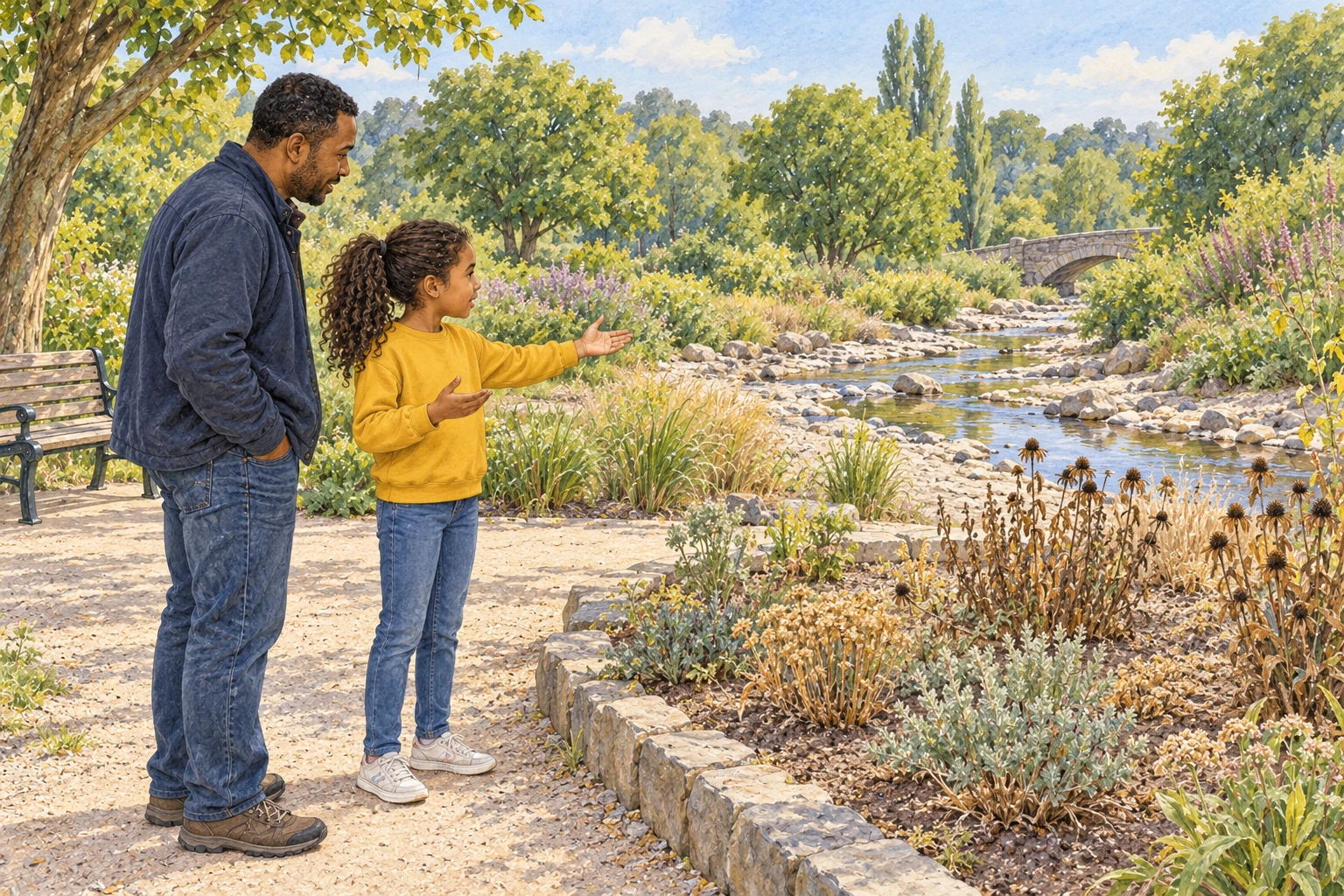
Before they went, Amelia listed uses for water. People drank it, washed with it and grew food with it. Fish needed water in the river itself. Dad added the café beside the park. Its workers needed clean water every day, even when fewer people visited the gardens.
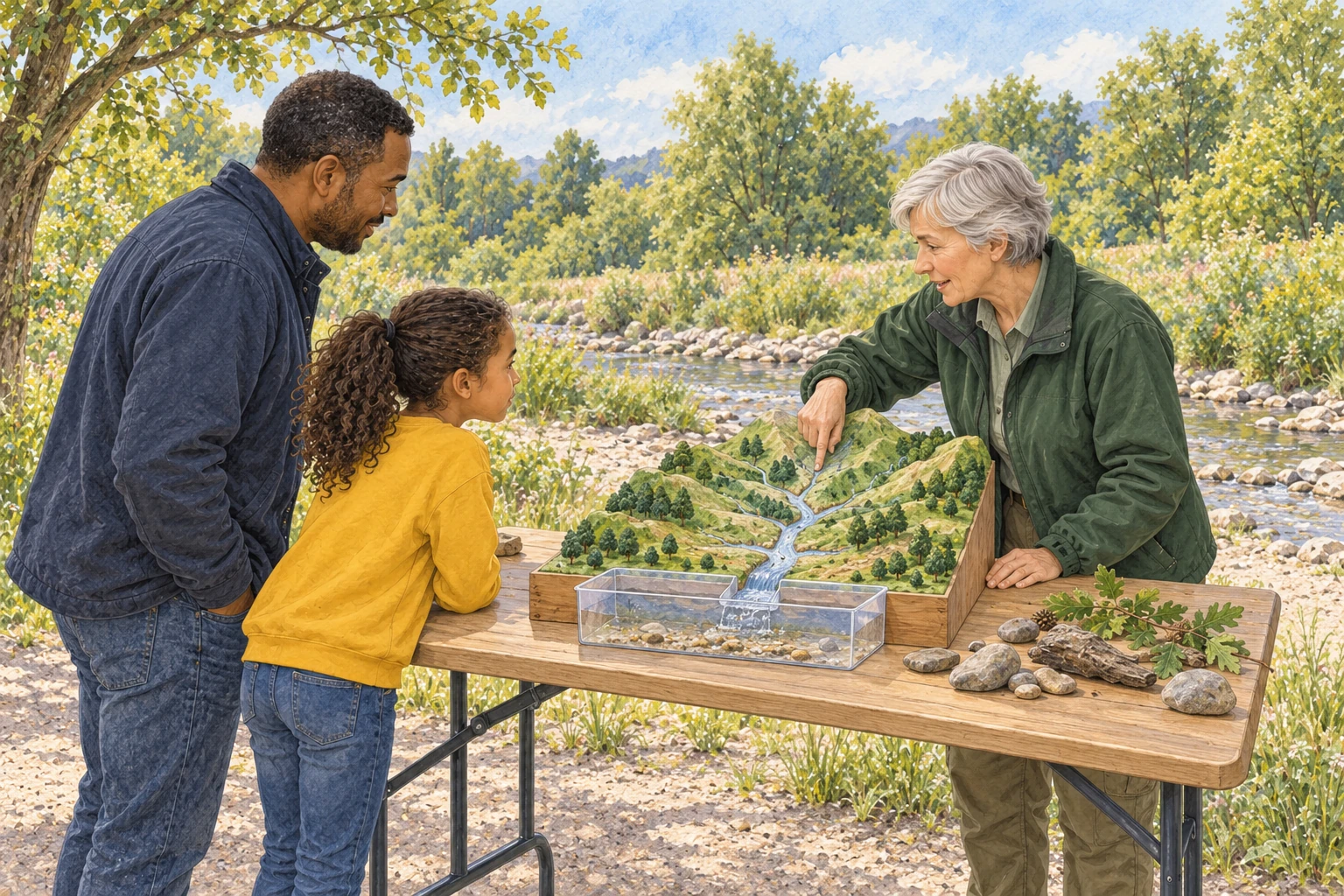
At the information table, Ms Reed used a model to show where local rainwater travelled. A river connected places beyond the park. Taking more water from one stretch could affect another stretch downstream. Amelia had been thinking about one dry flower bed. Now her question seemed much bigger.
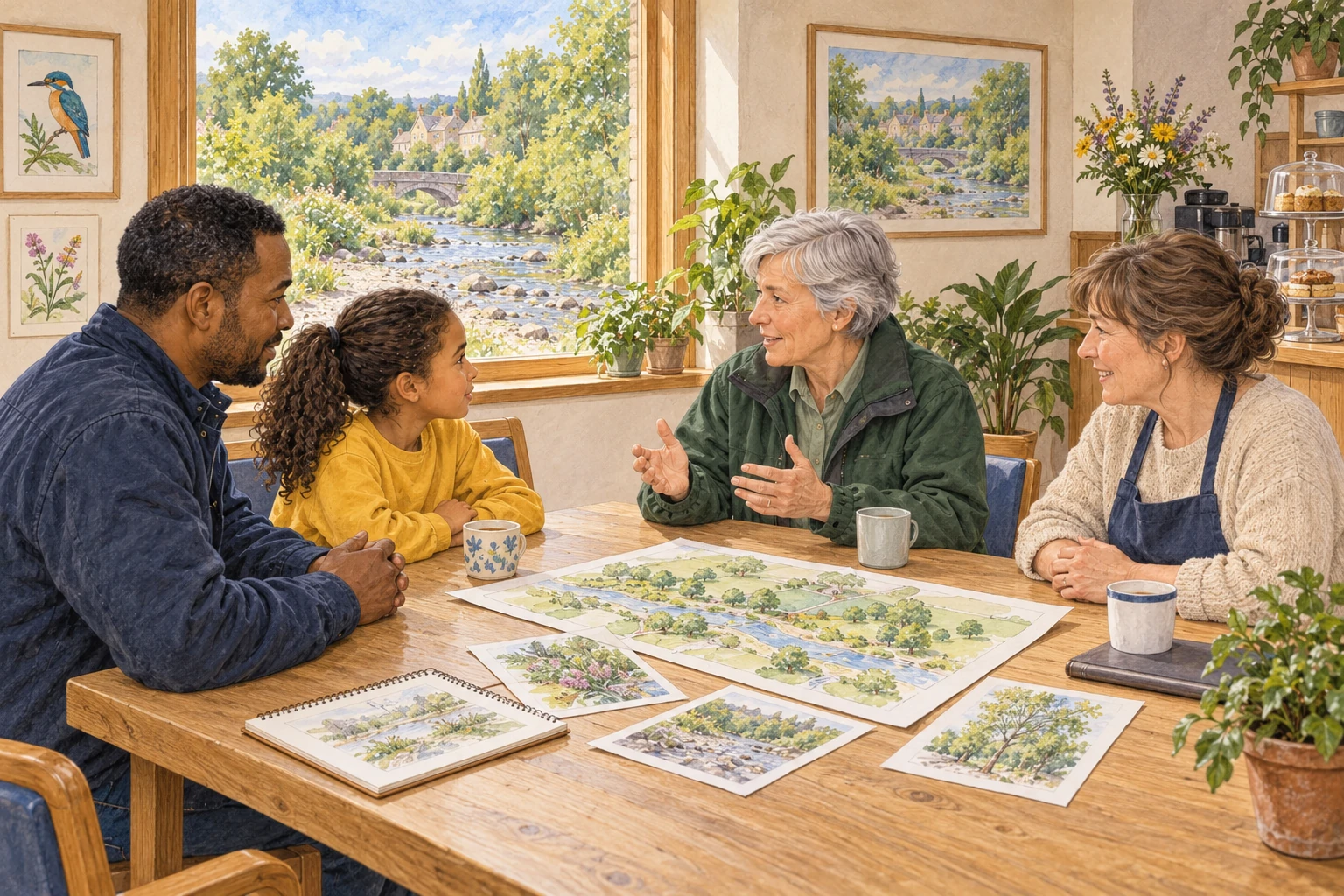
A gardener wanted enough water to keep young plants alive. The café owner wanted a reliable supply for washing and cooking. Ms Reed spoke about river wildlife. Nobody thought water was unimportant. They were looking at the same shortage from different viewpoints, with different needs to explain.
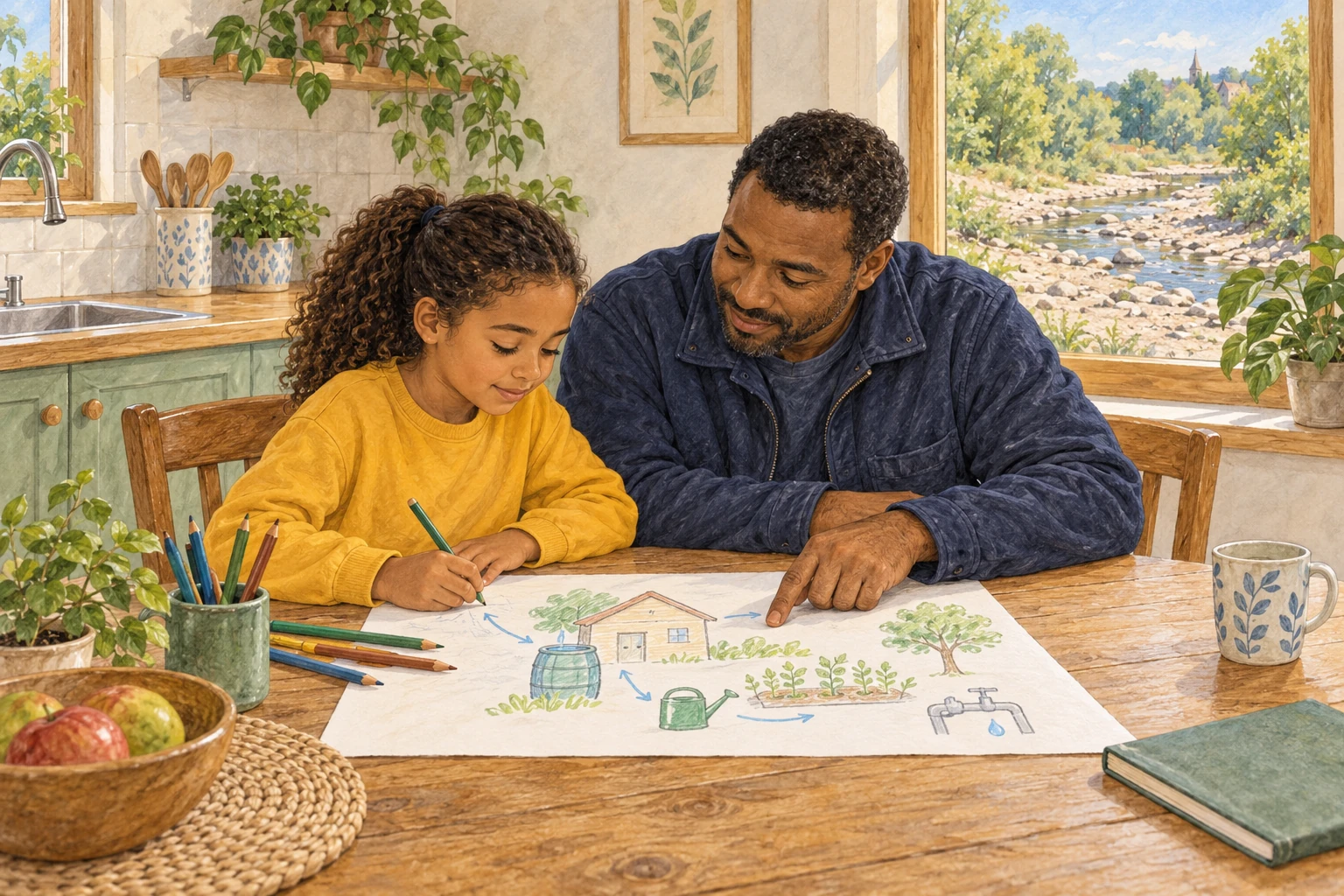
At home, Amelia drew two columns: things they could change themselves and things that needed a community decision. Dad could collect rainwater for garden pots. Amelia could turn off the tap while brushing her teeth. Neither action would solve the whole shortage, but both reduced avoidable waste.
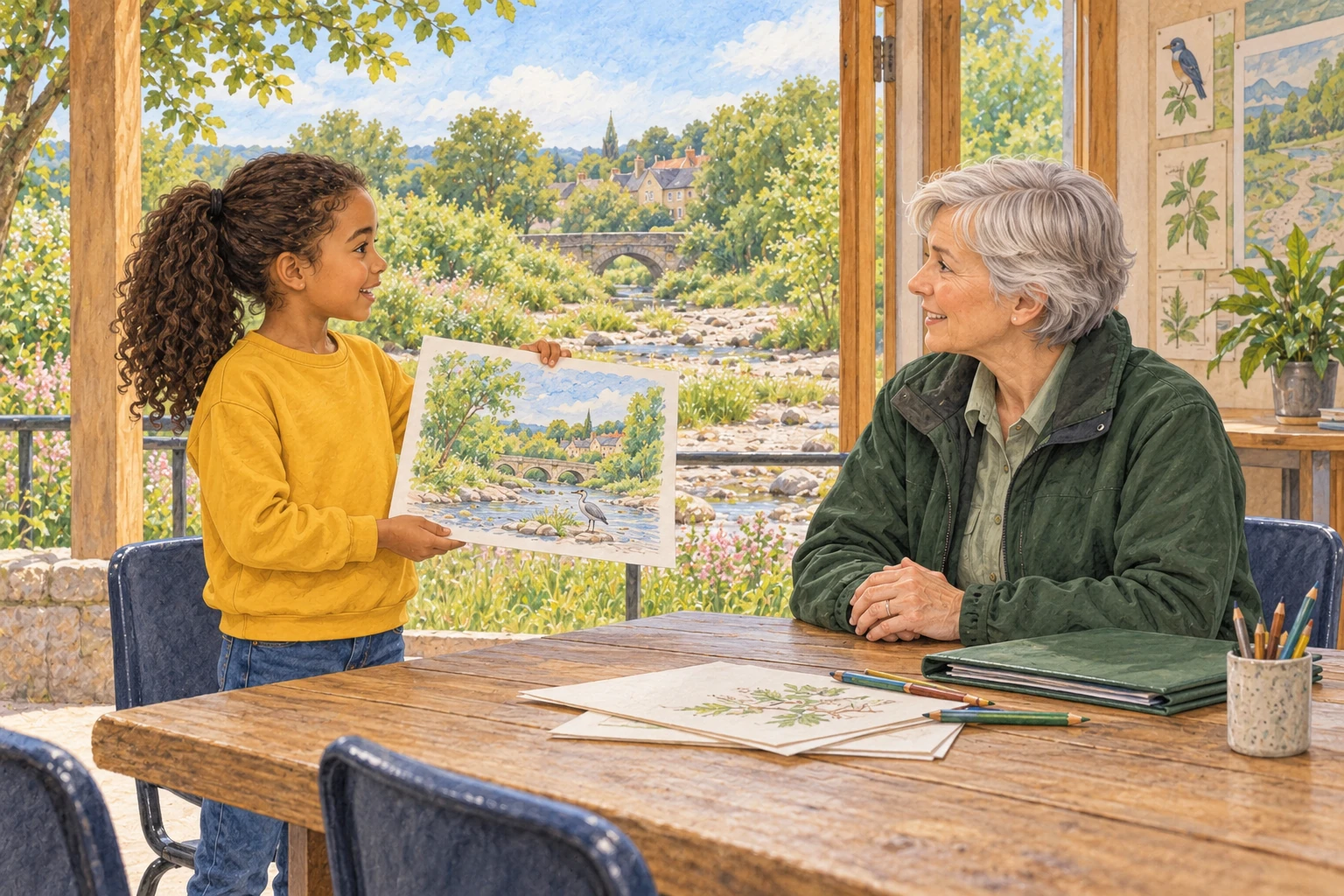
Amelia took her drawing to the meeting. “Could we help the flower beds without simply taking more?” she asked. The gardener suggested protecting soil with mulch and choosing plants that needed less water. Adults would check suitable ways to collect rainwater and follow local guidance about river use.
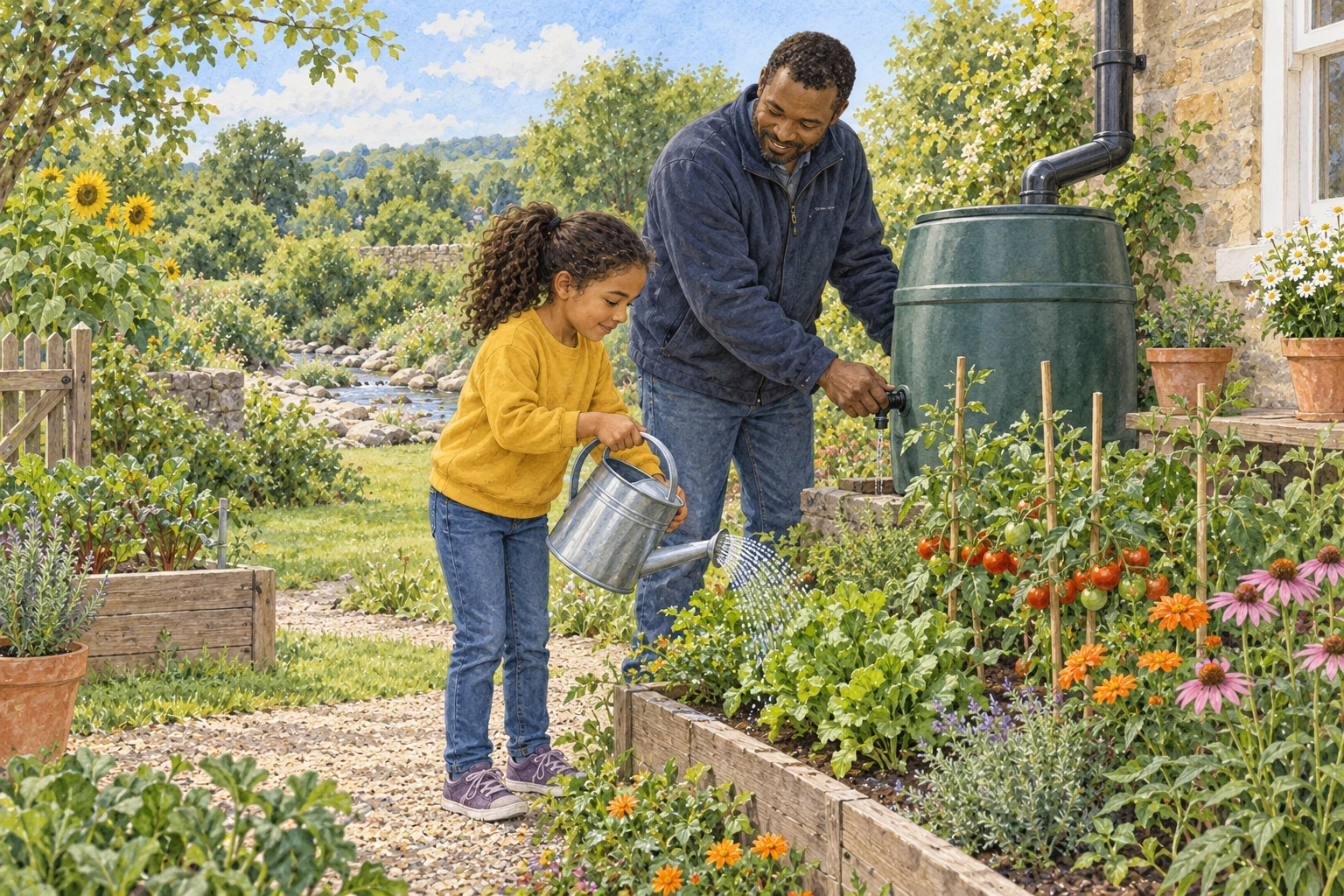
The family began with their own garden. Dad set up a covered rainwater container safely, and Amelia helped spread mulch around plants. They kept drinking water separate. When a neighbour asked about their plan, Amelia explained both what they were trying and what they still needed to learn.
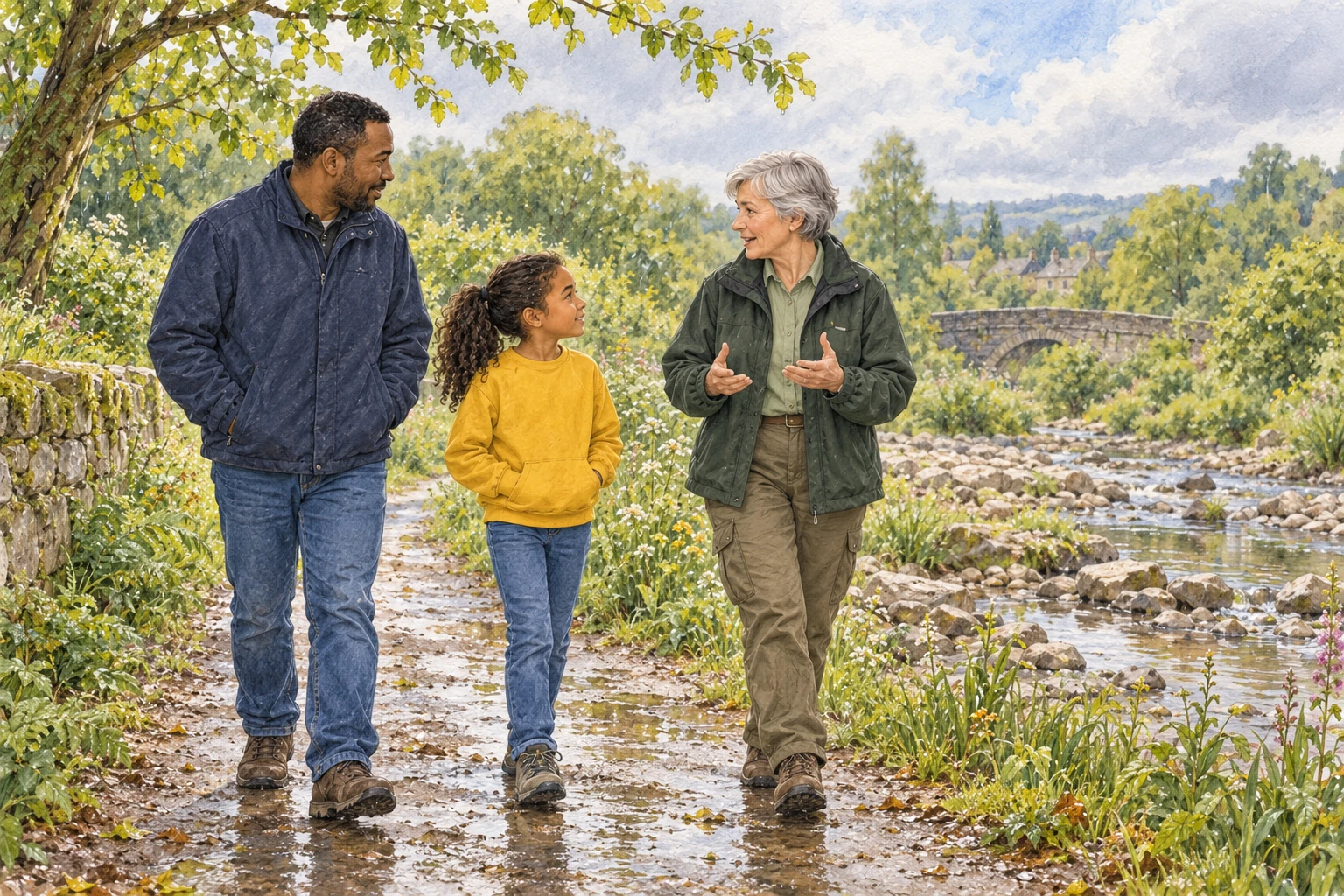
After light rain, Amelia revisited the river. It was still low. She no longer expected one shower or one family to fix everything. Caring for a shared resource meant noticing connections, listening to different needs and checking whether their choices helped over time.