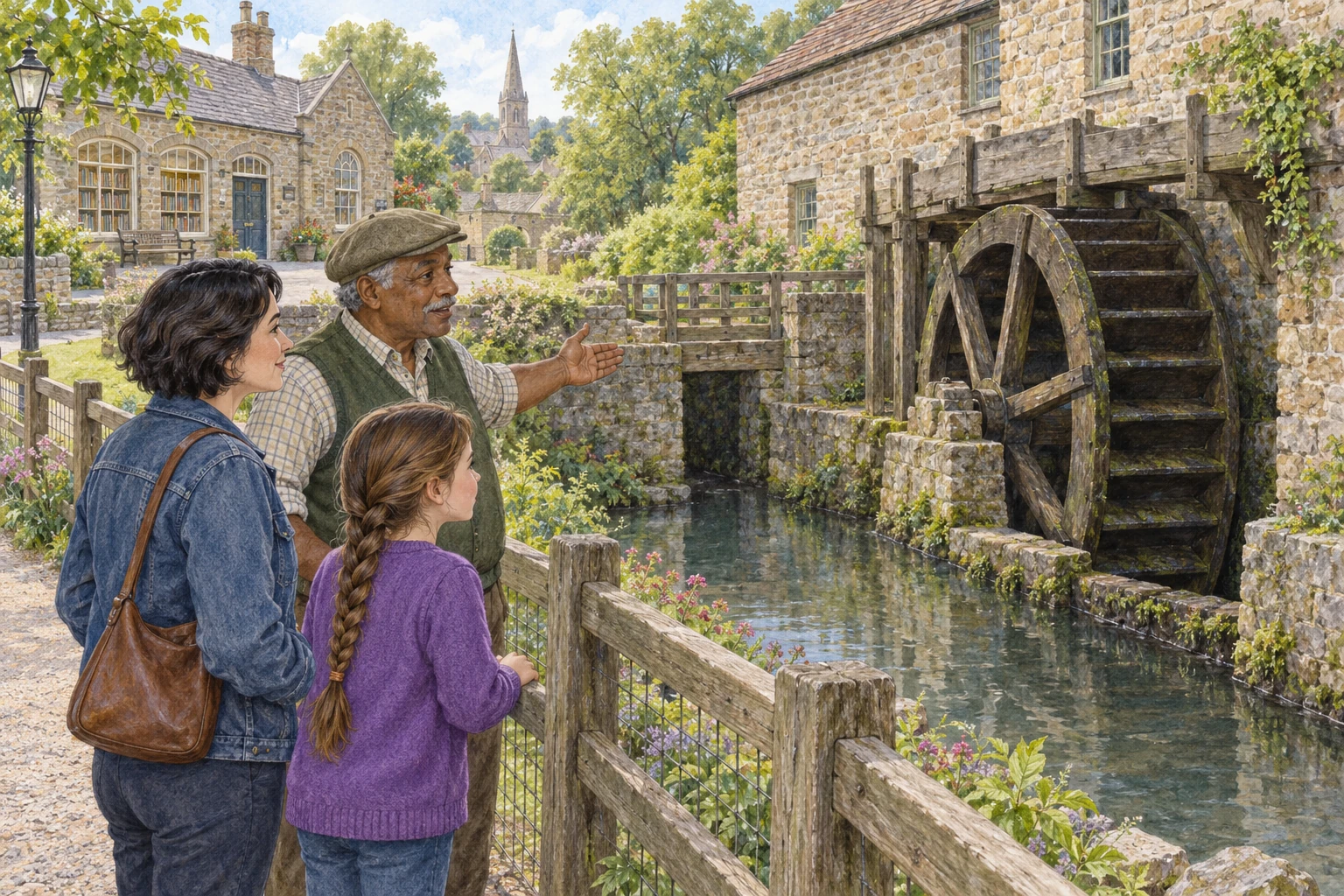
Matilda’s Old Mill
Shared Reading Books · Social Science · Year 4Matilda expected the old mill’s wheel to turn. Instead, it stood silent beside a fenced channel. Aunt Jo read the visitor sign, and Mr Wells, the guide, explained that the building no longer made flour. “Then why keep it?” Matilda asked. He invited her to look beyond the wheel.
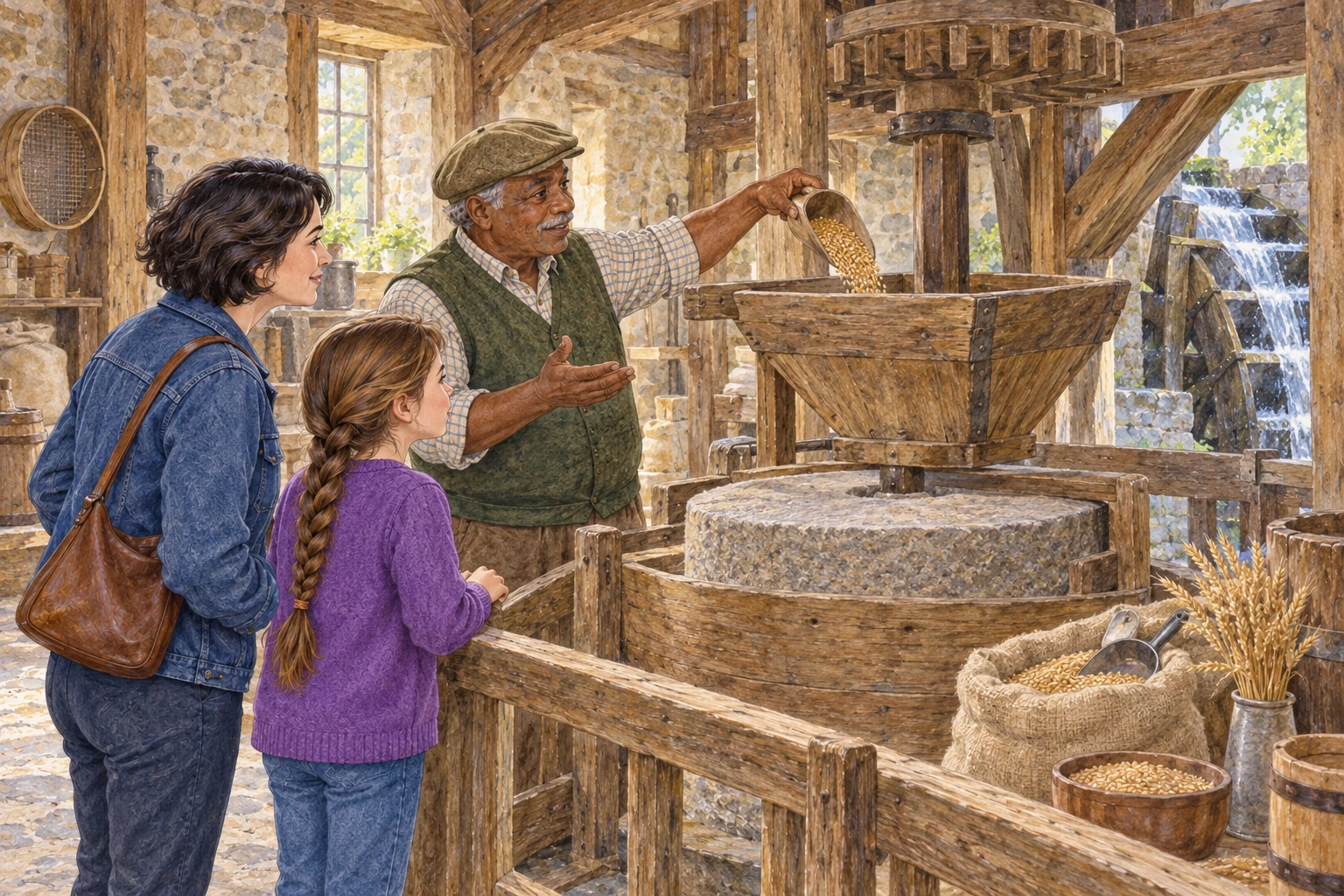
Inside, a small display showed how grain had once been ground between stones. Water had helped power the work. People brought grain, carried flour and repaired machinery. The mill had been part of daily life, connecting farms, food and skilled workers. It was more than an unusual shape beside a stream.

At the library, Matilda studied an old photograph. Sacks stood beside the doorway, and a cart waited nearby. She could describe what the picture showed, but not what the workers were thinking. Aunt Jo helped her separate an observation from a guess that would need more evidence.
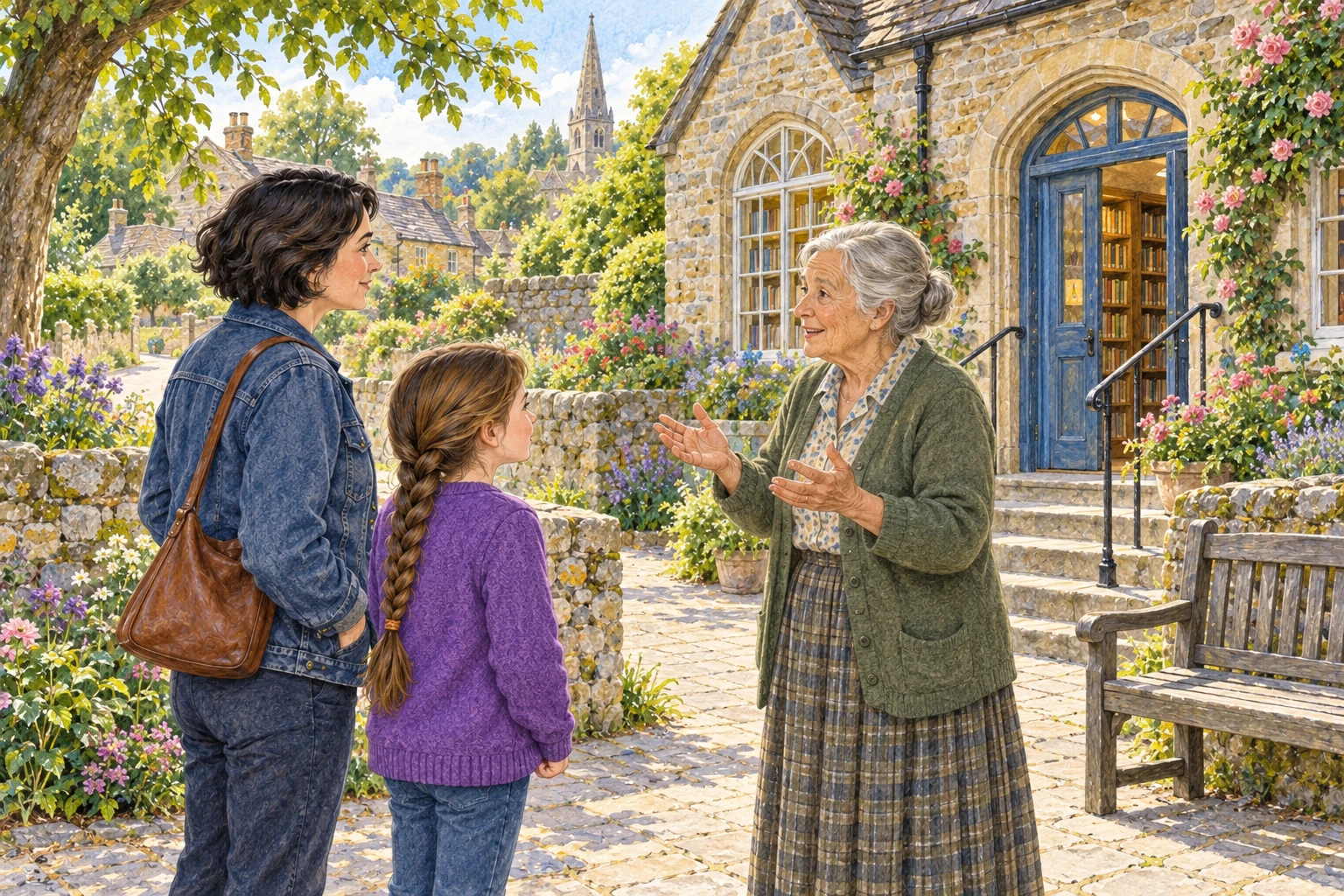
An older neighbour remembered visiting the mill as a child. She recalled loud sounds and dusty clothes. Her account added details the photograph could not provide. However, she was remembering one period from her own experience. Matilda wrote down who had told the story and left room for other accounts.
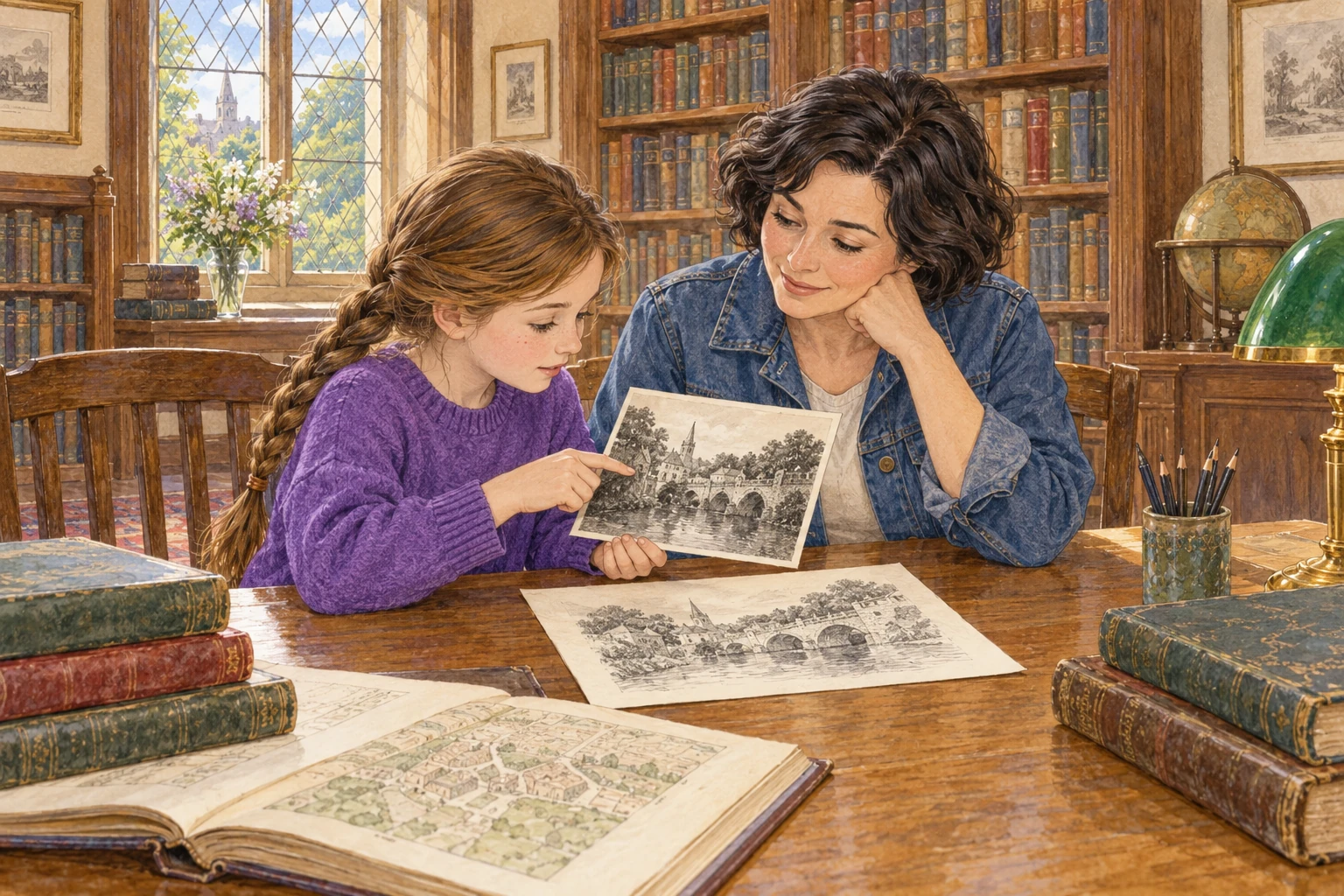
The photograph and the memory did not answer every question. Matilda wondered when the last flour had been made and why production stopped. Rather than inventing an answer, she added questions to her notes. A convincing story about the past needed care with what was known and what remained uncertain.
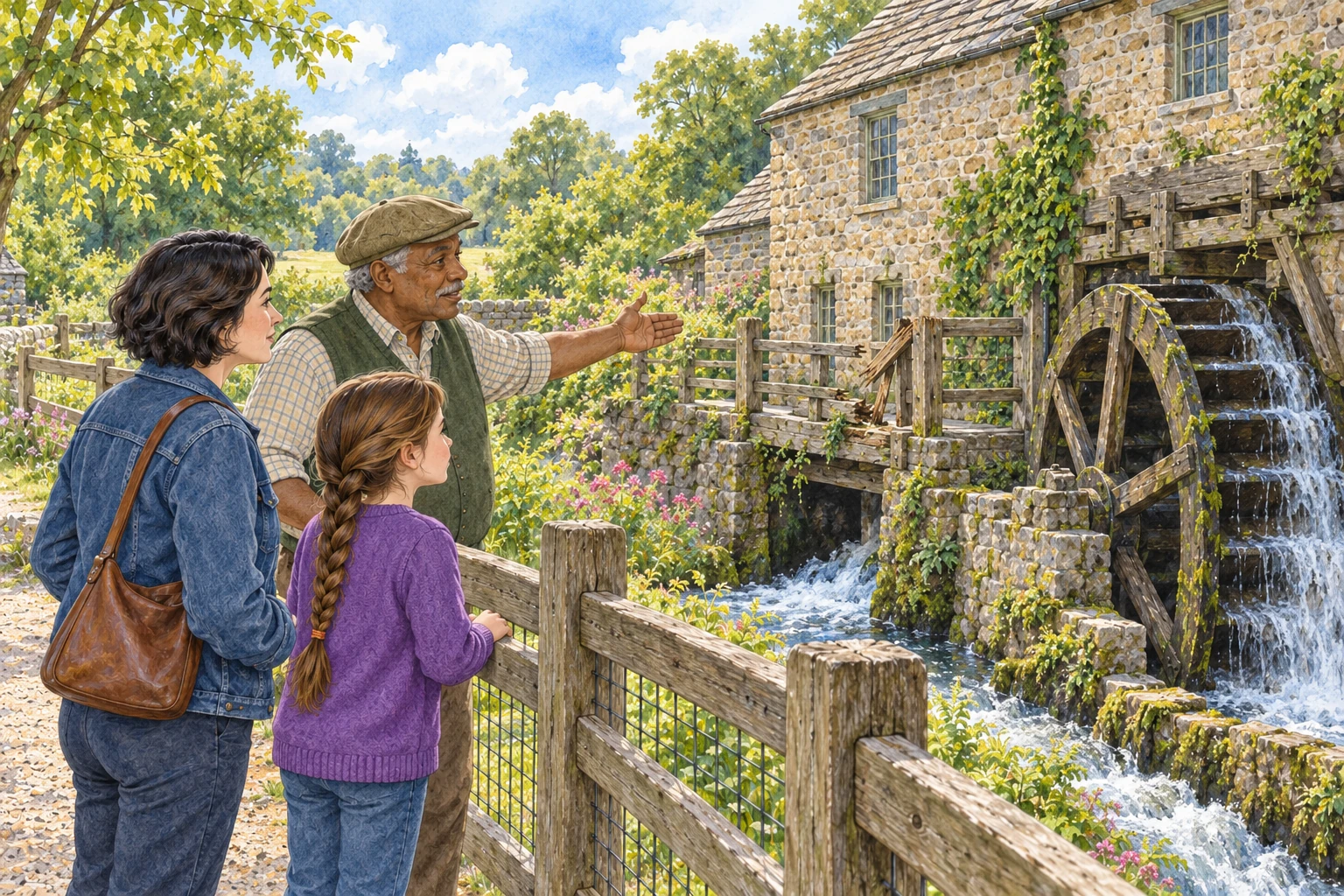
Back at the mill, a damaged visitor railing needed repair. Mr Wells kept everyone in the safe area. Preserving an old place required money, skill and continuing work. Some neighbours wanted the building protected. Others worried about costs and asked how the space could serve people today.
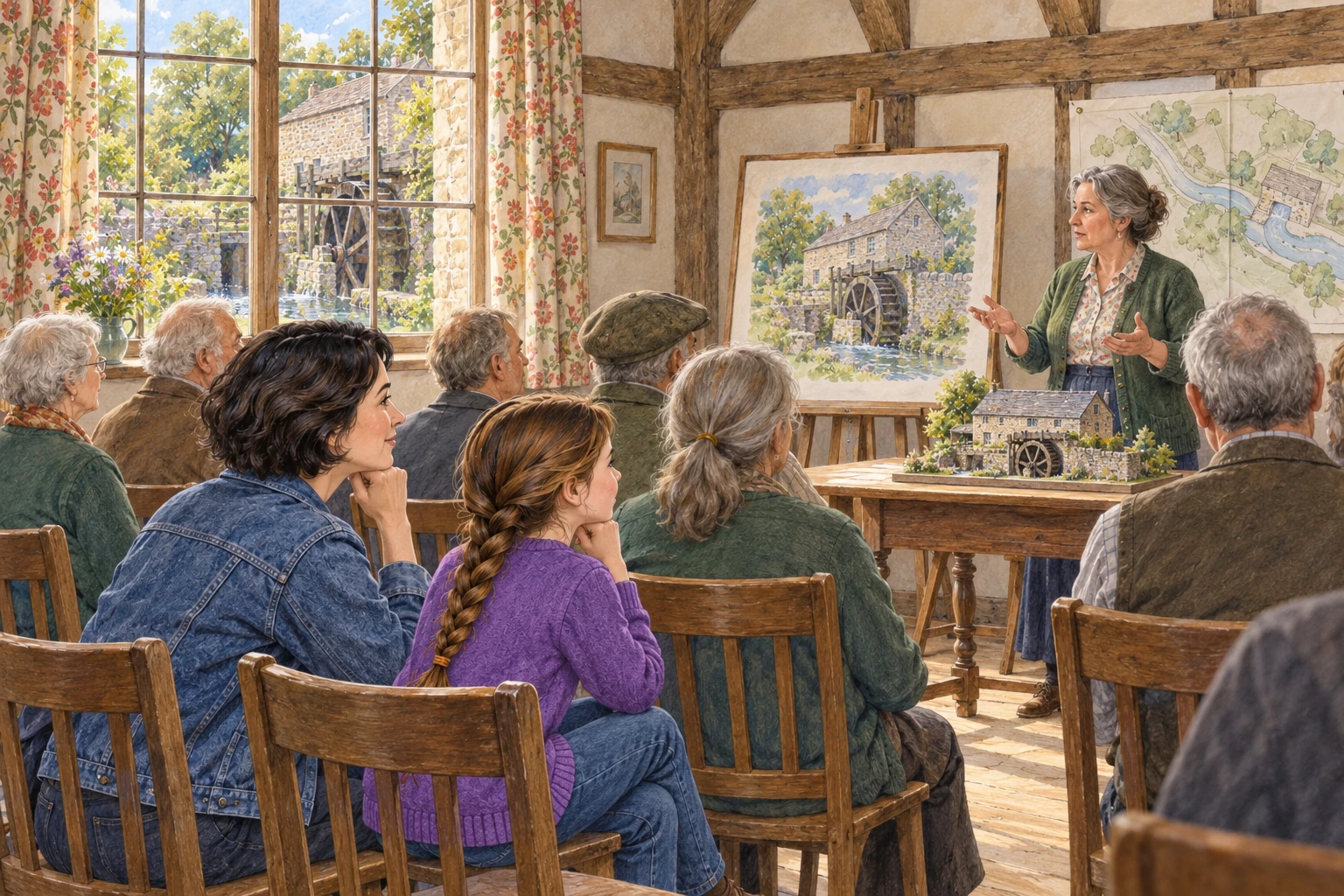
At a village meeting, Aunt Jo and Matilda listened to several proposals. A small exhibition and occasional workshops might share the history, if the building could be made suitable. Adults would investigate costs and access before deciding. Matilda realised that valuing the past did not remove practical questions about the present.
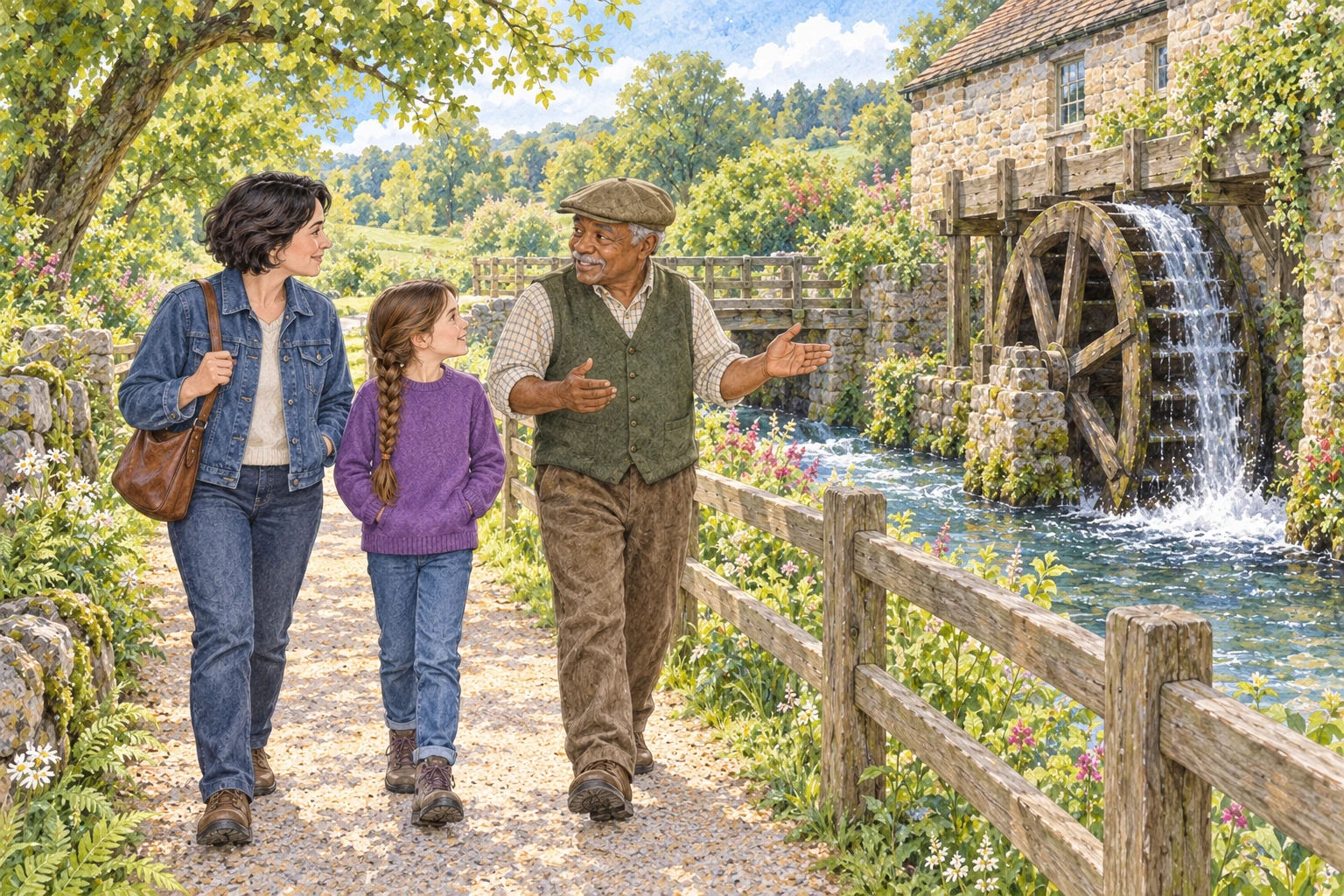
When they returned later, the repaired path was open. Matilda watched the still wheel with a different understanding. It connected people with earlier work and choices. People would need to check the evidence for its story, keep the mill in good repair and listen to the neighbours’ ideas about how to use it next.