Poppy’s Fair Share
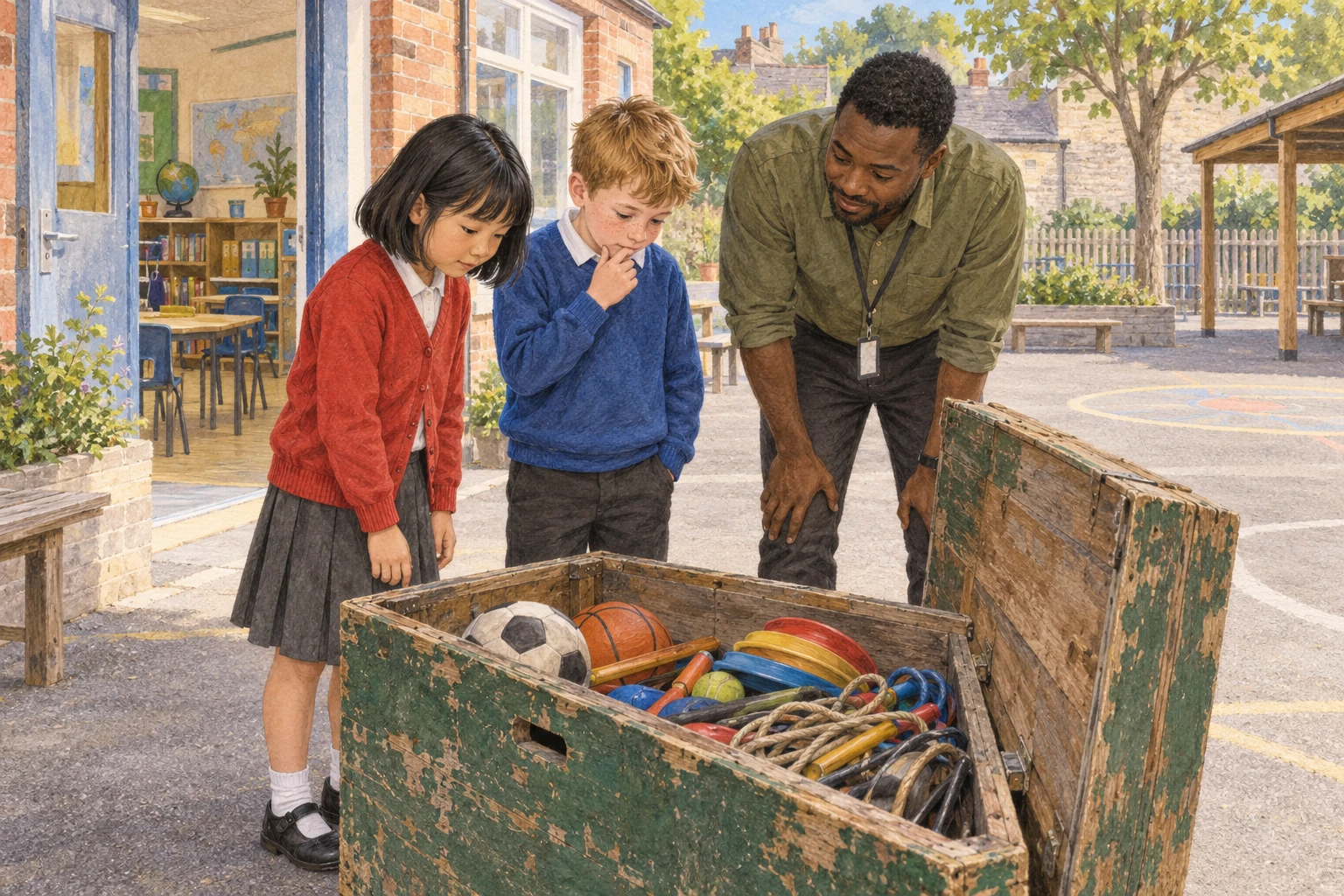
Shared Reading Books · Social Science · Year 4Poppy opened the courtyard games box and found a split ball, bent counters and a skipping rope with one handle missing. The class had money for replacements, but not for everything in the catalogue. Ben wanted a large football set. Poppy imagined a table covered with new drawing games.

Mr Holt placed several samples on a table. “Before choosing, find out how people use the space,” he suggested. Poppy had thought her own favourite would be popular with everyone. Ben thought the same about football. Neither had asked the classmates who usually chose different activities.

In a discussion circle, some children wanted running games. Others preferred quiet games or needed equipment that was easier to hold. One child liked watching before joining in. Poppy wrote down their reasons. Listening did not mean promising every request, but it changed the questions the class needed to consider.

They compared three plans within the budget. One bought a large sports set. Another bought only tabletop games. A third bought a smaller mix of both and kept a little money for repairs. Each plan offered benefits, but each also left something out. The class discussed those trade-offs.
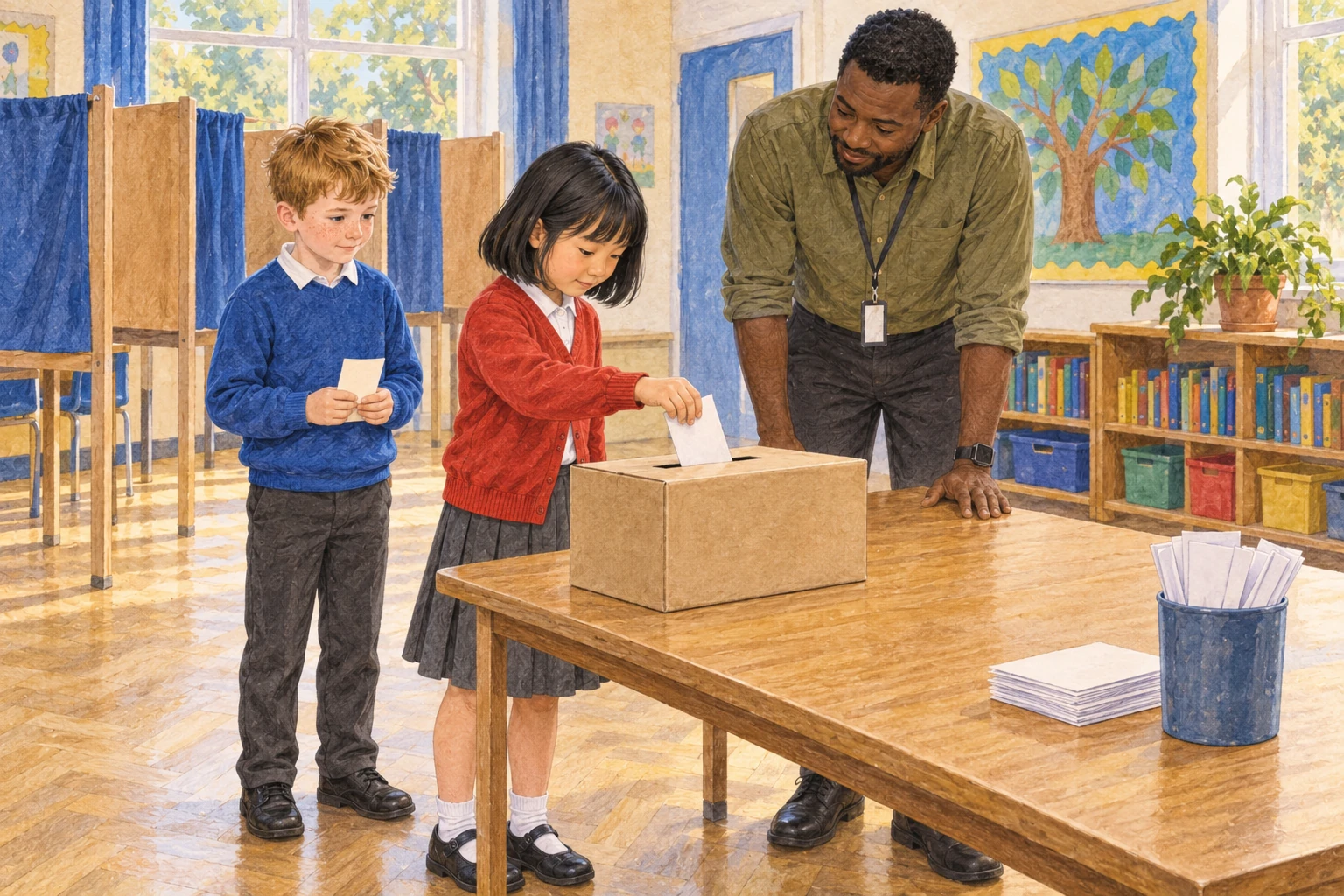
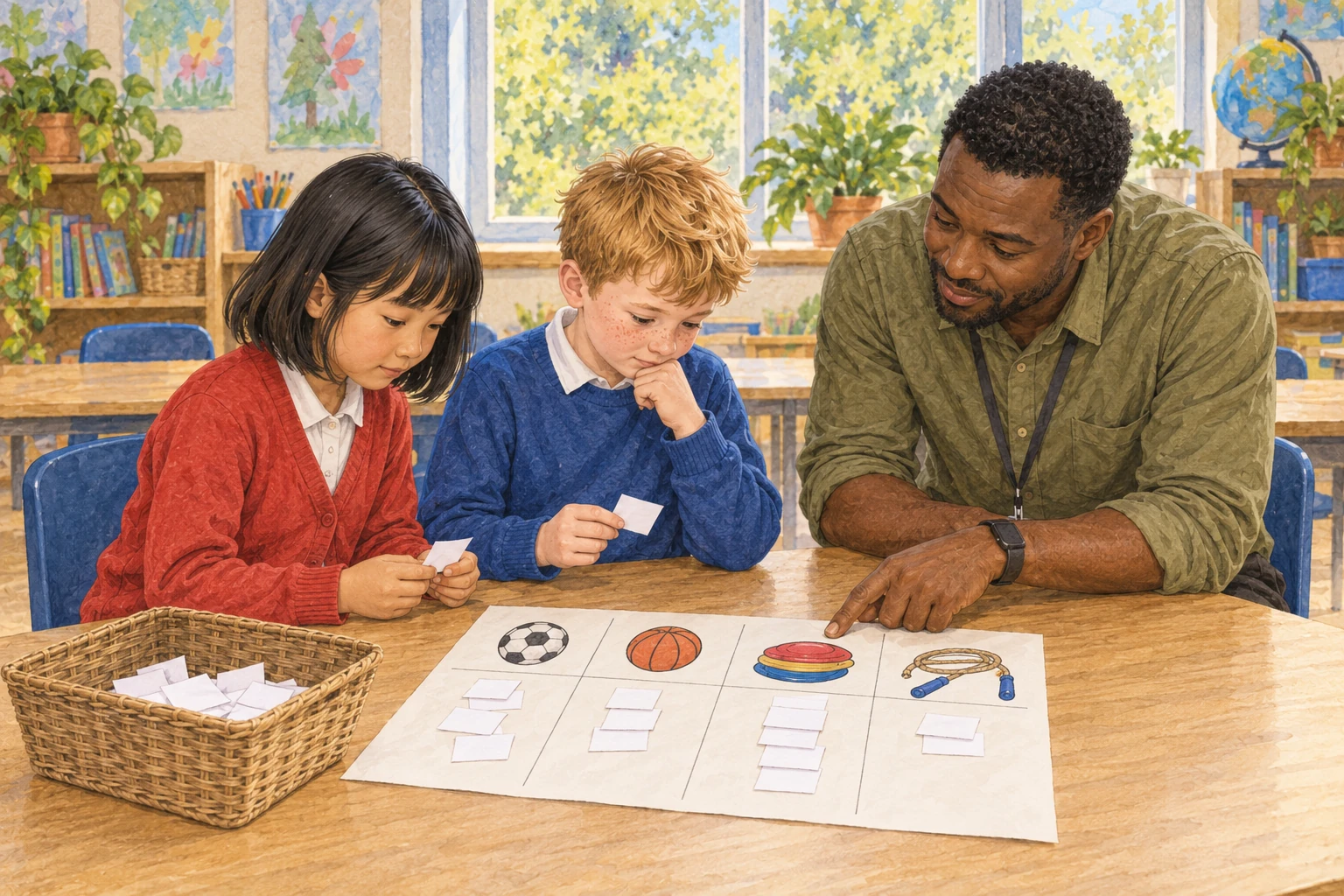
The class agreed how to vote before collecting the slips. Mr Holt read each plan aloud and offered picture choices. Children could ask for help without announcing their choice to everyone. Poppy selected the mixed plan. She knew a fair process could still lead to an outcome someone disliked.
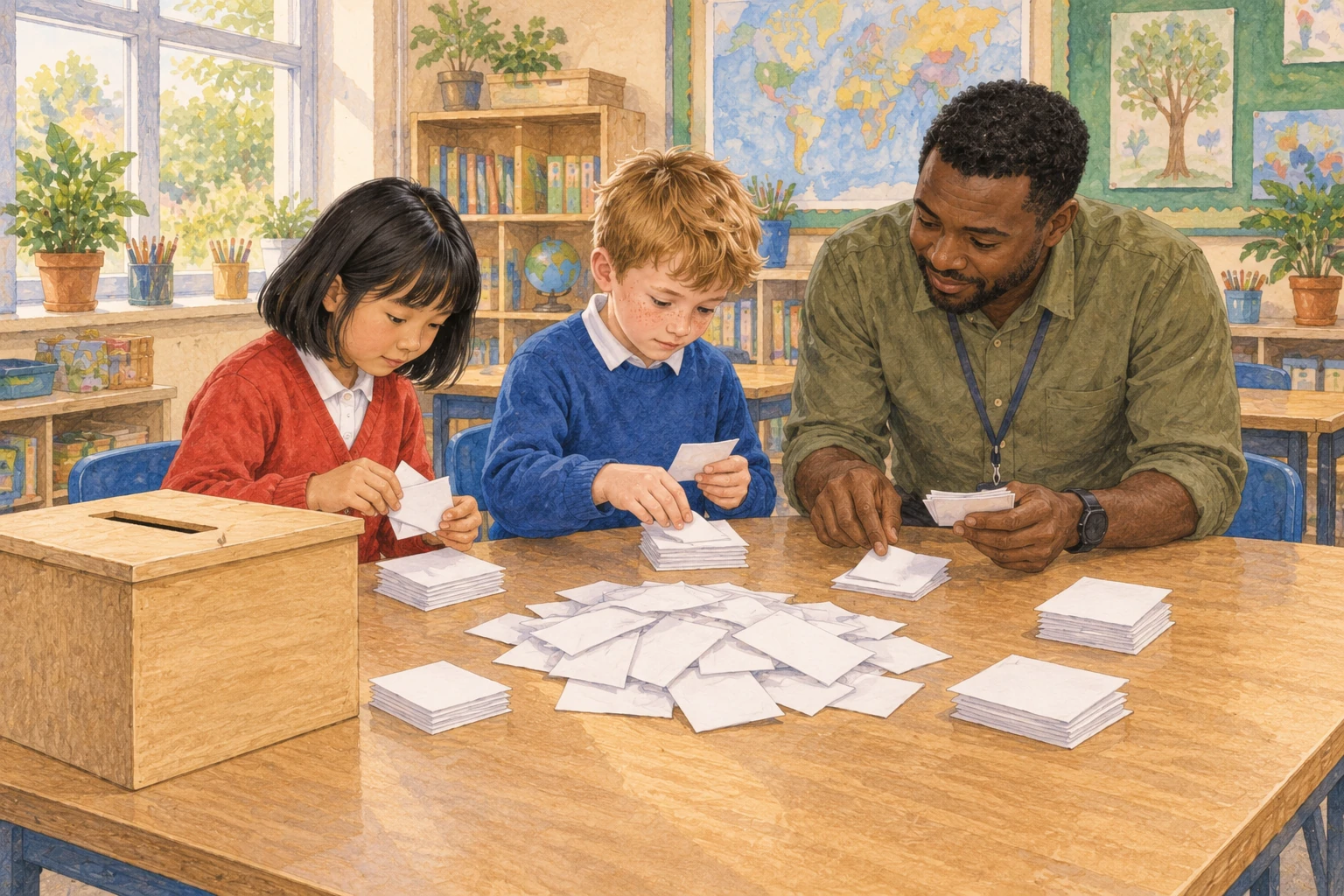
The mixed plan received the most votes. Ben looked disappointed because it included fewer football items than he wanted. Poppy listened rather than telling him to stop caring. Mr Holt reminded the class that the vote chose a starting plan. It did not make the other reasons unimportant.

After the equipment arrived, they tried it for a week. Poppy noticed that a quiet game needed a steadier surface. Ben found that the smaller sports set still allowed a good game. The class recorded what worked and what needed adjusting, instead of treating the vote as the final answer.
At their review, they moved a table and agreed how to store the equipment safely. The choice had begun with two favourites and grown into a shared plan. Poppy understood that fairness involved listening, accessible choices, clear rules and a chance to review what happened afterwards.