The Final Lap
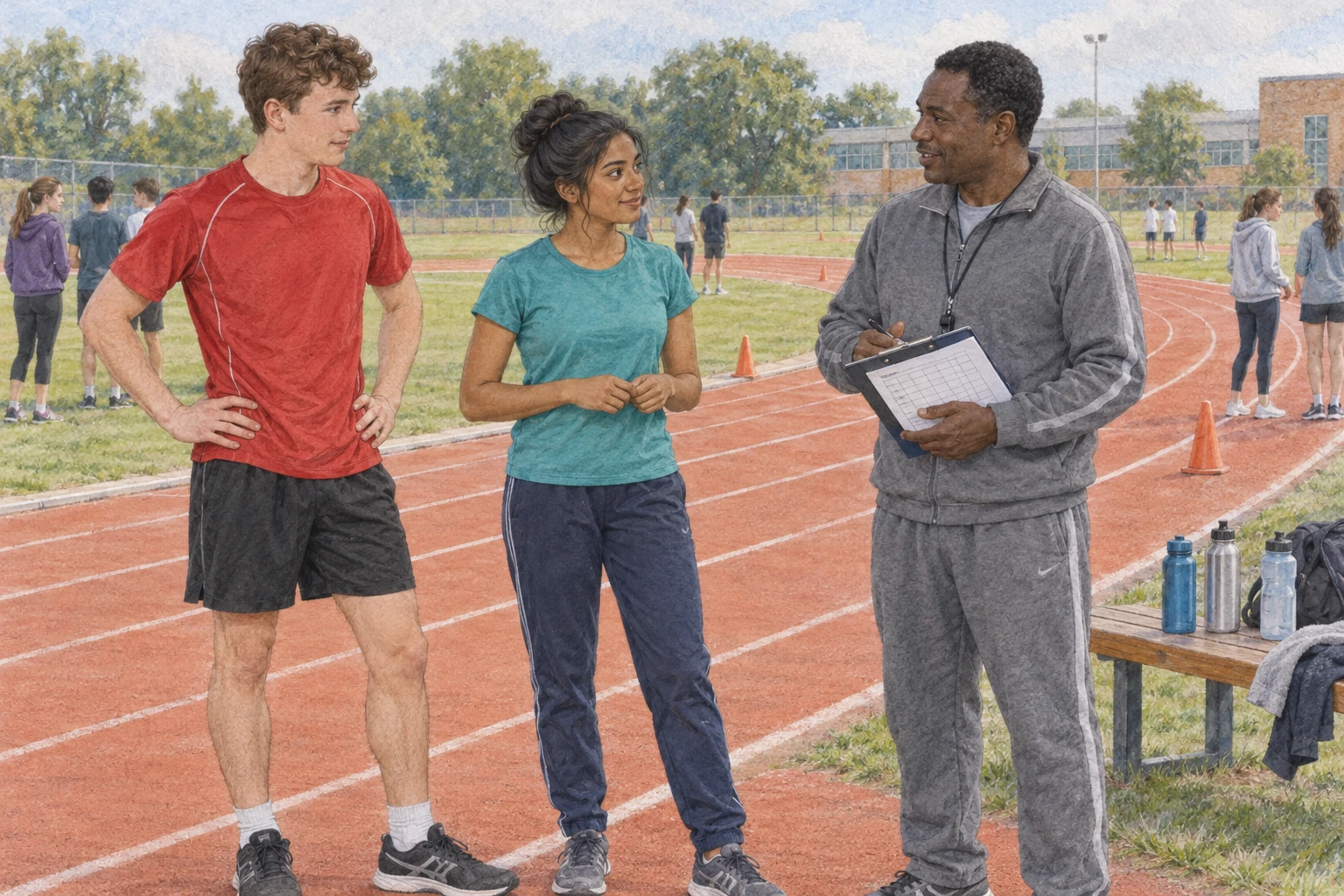
School Readers · Level 20Richard studies the lap sheet while Amanda places water bottles beside the track. Their class is doing a friendly team distance challenge. Everyone can run, walk or combine both, and Mr Shaw will record the completed laps. Richard wants his team to cover a long distance. He has planned a quick opening pace, certain that a strong start will make the rest of the challenge easier.
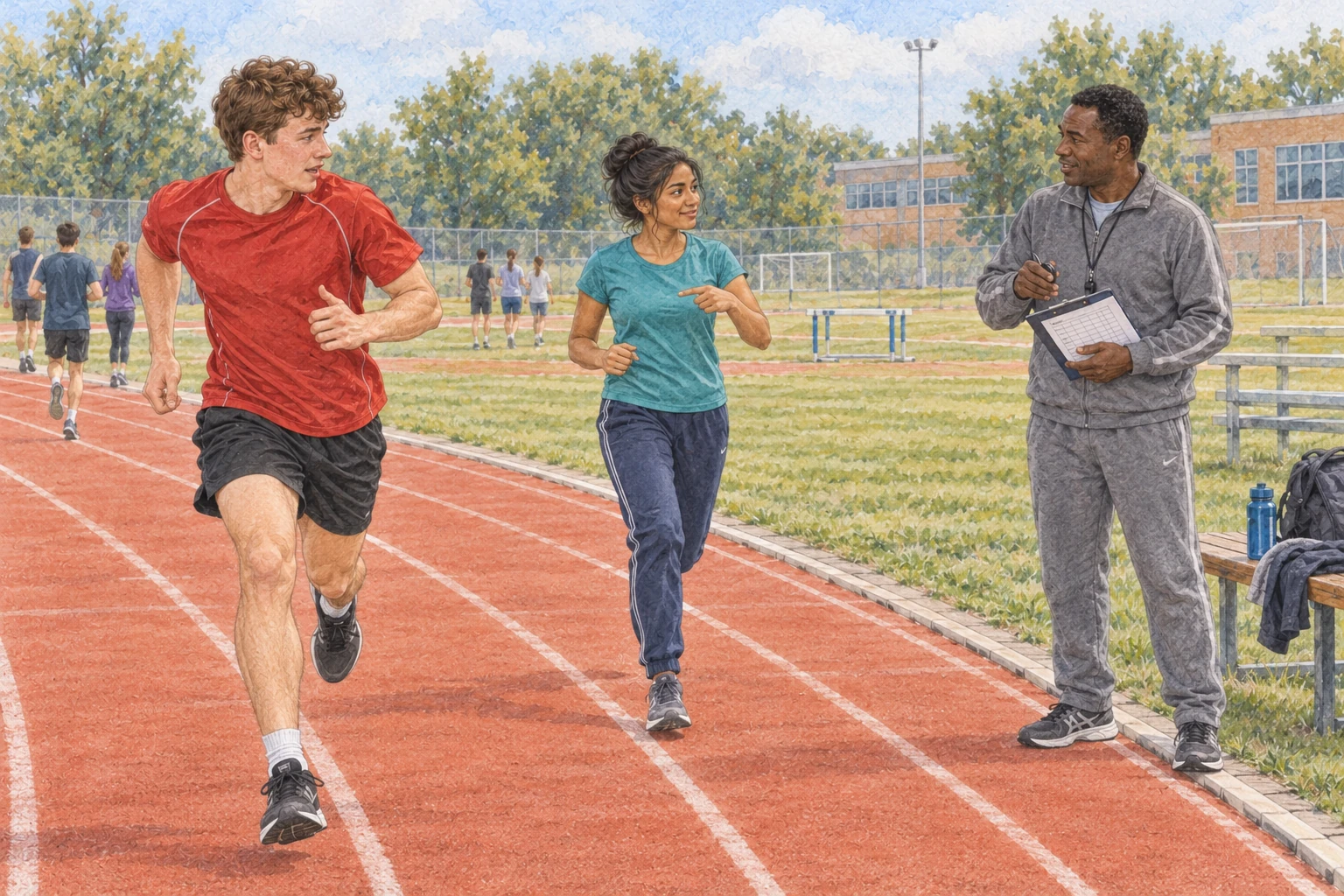
He runs the first lap well ahead of Amanda. When he reaches the line again, he calls for her to hurry. She keeps her steady pace and points to the time still remaining on the teacher’s clock. Richard sets off once more, but his steps soon feel heavier. The speed that looked impressive for one lap is becoming harder to maintain for several more.
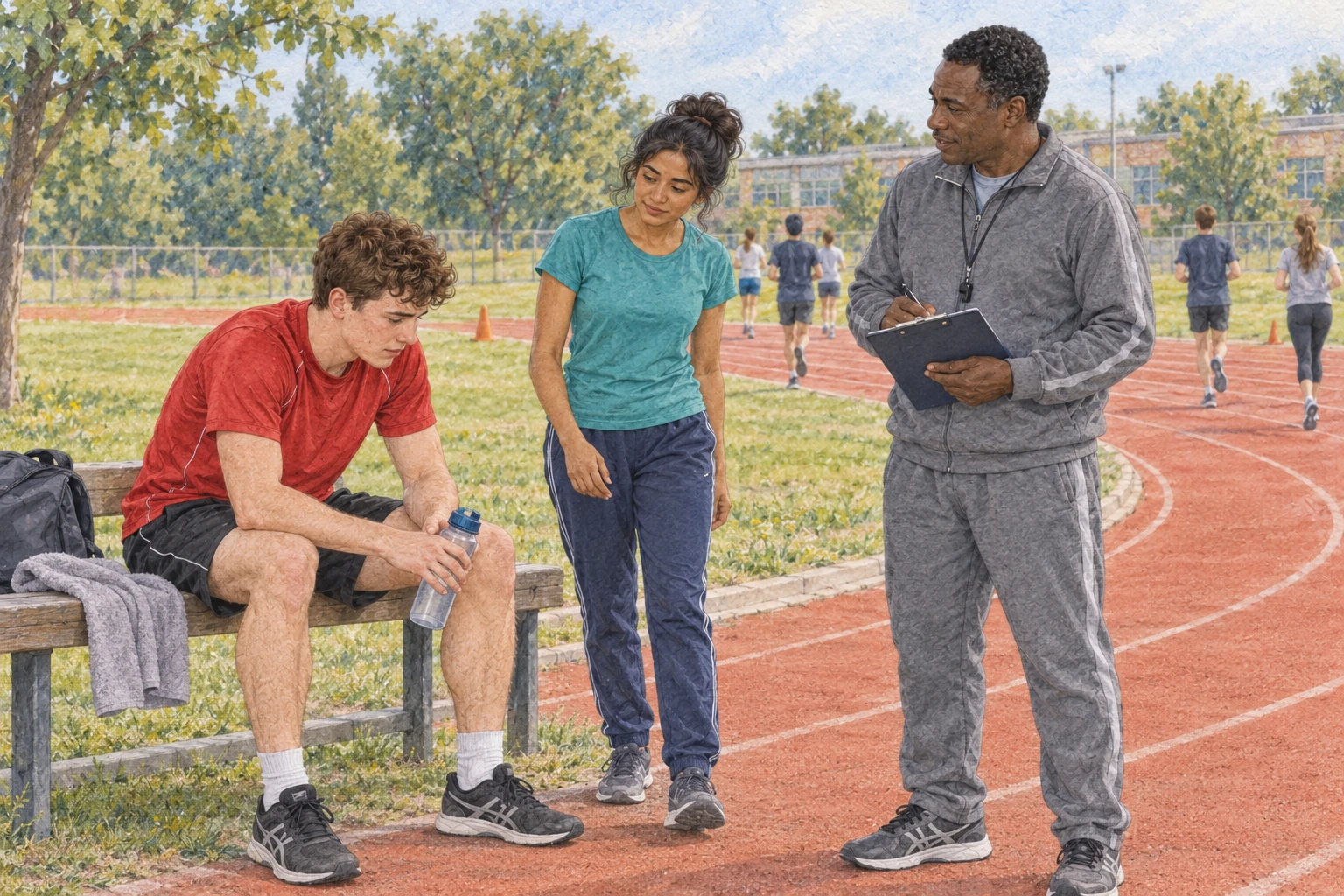
At the next line, Mr Shaw asks how he is feeling and reminds him that he can pause or change pace. Richard walks to the bench for a drink. He is cross with himself and thinks his team would do better without him. Amanda finishes her lap and stops nearby. She does not tell him to push through. Instead, she asks what plan he wants for the time left.
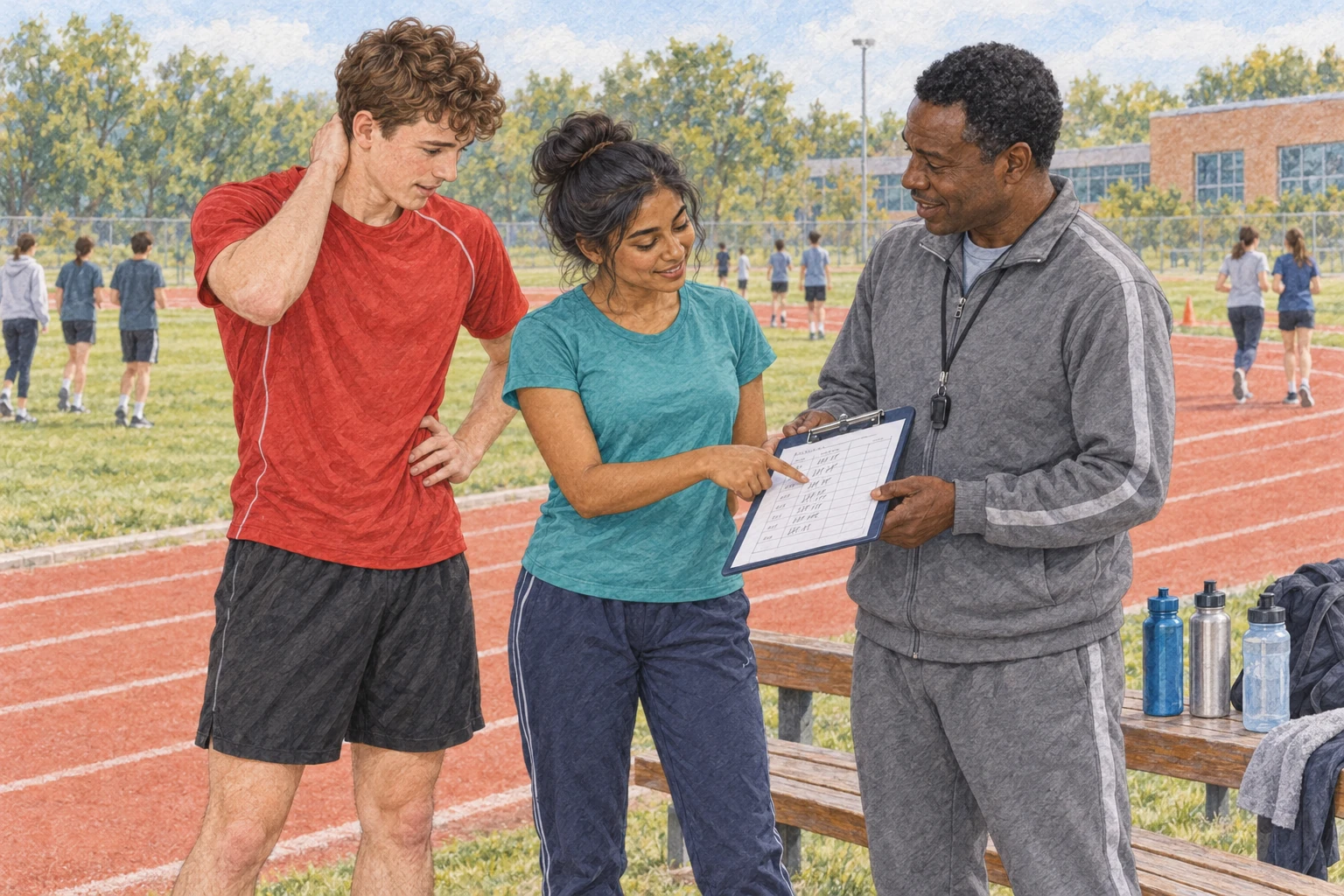
Richard says that he has spoiled the challenge by slowing down. Amanda shows him the record: his completed laps still count. The task is a shared total, not a prize for the fastest beginning. Her steady laps are adding up too. Richard had understood the rules when Mr Shaw explained them, but he had quietly turned them into a different competition inside his own head.
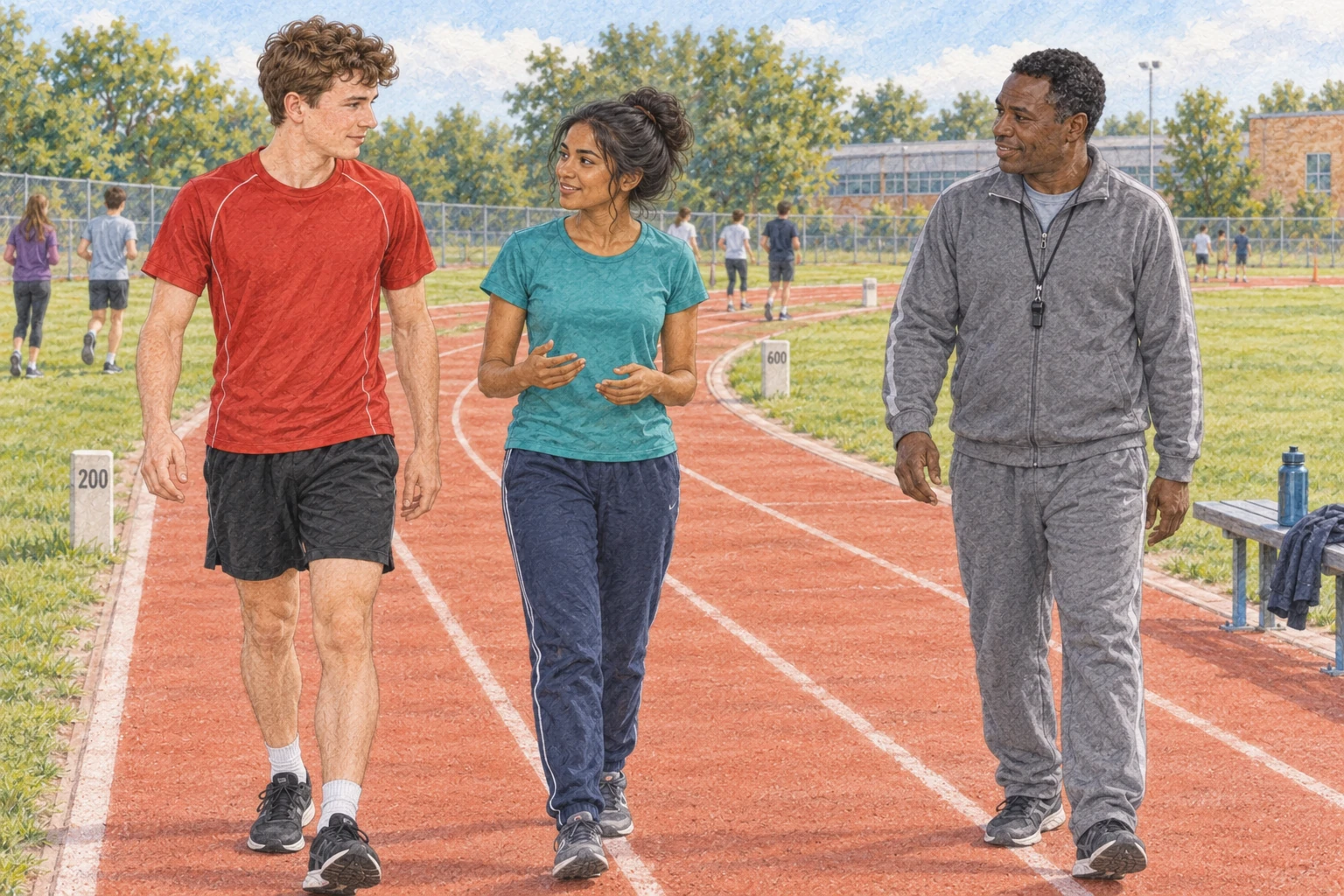
He decides to continue at a comfortable walk after checking with Mr Shaw. Amanda joins him for part of the next lap, then returns to her own steady rhythm. They talk about the corners and the breeze instead of watching who is ahead. Richard notices the distance markers for the first time. The track seems less like a test he has failed and more like a route he can still choose to follow.
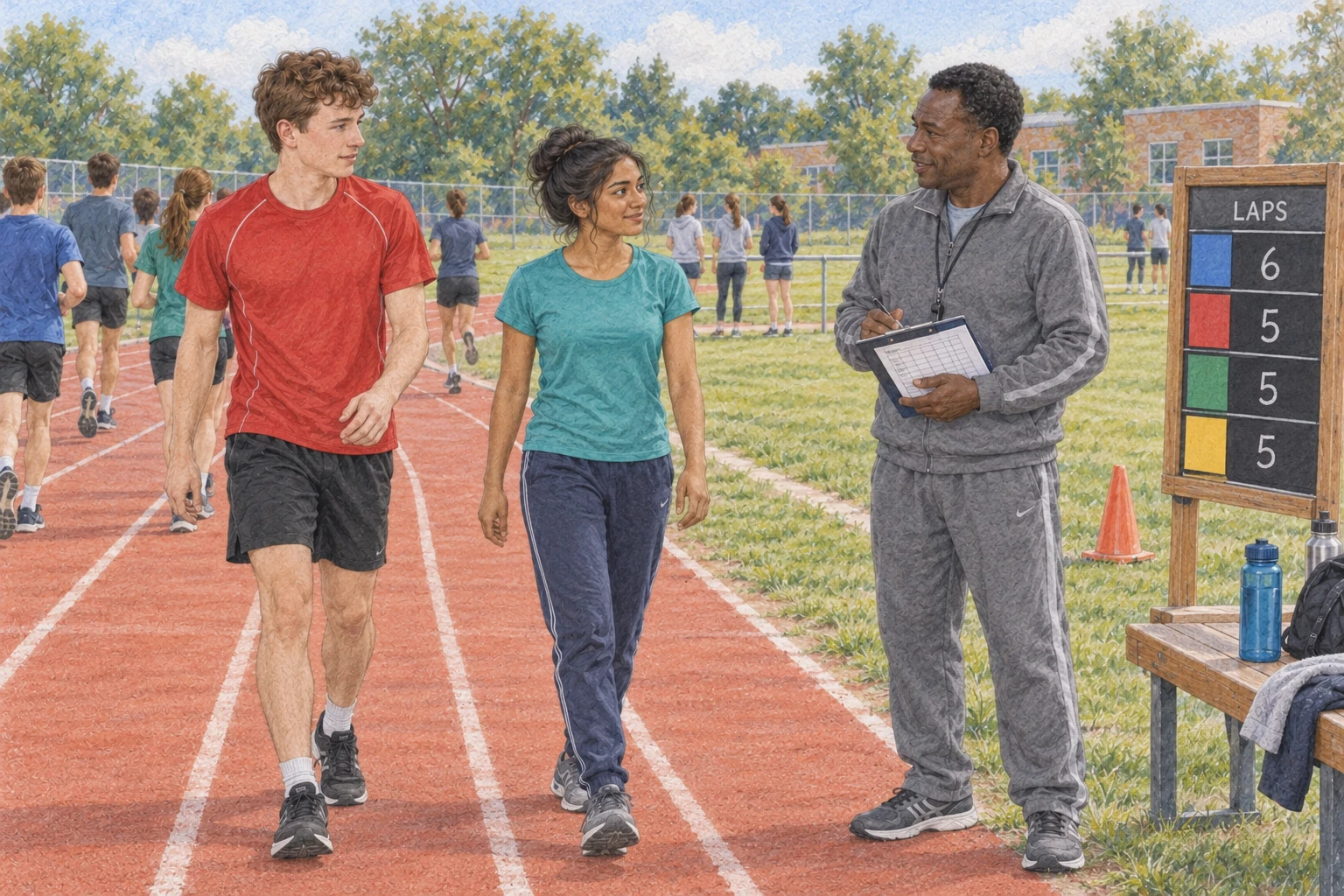
Near the end, another team is one lap ahead on the board. Richard feels the old urge to sprint. He looks towards Mr Shaw, then keeps the pace he has chosen. The teacher has already explained that finishing safely matters more than any number. Richard is tired but comfortable. He can contribute by keeping a pace that feels right for him.
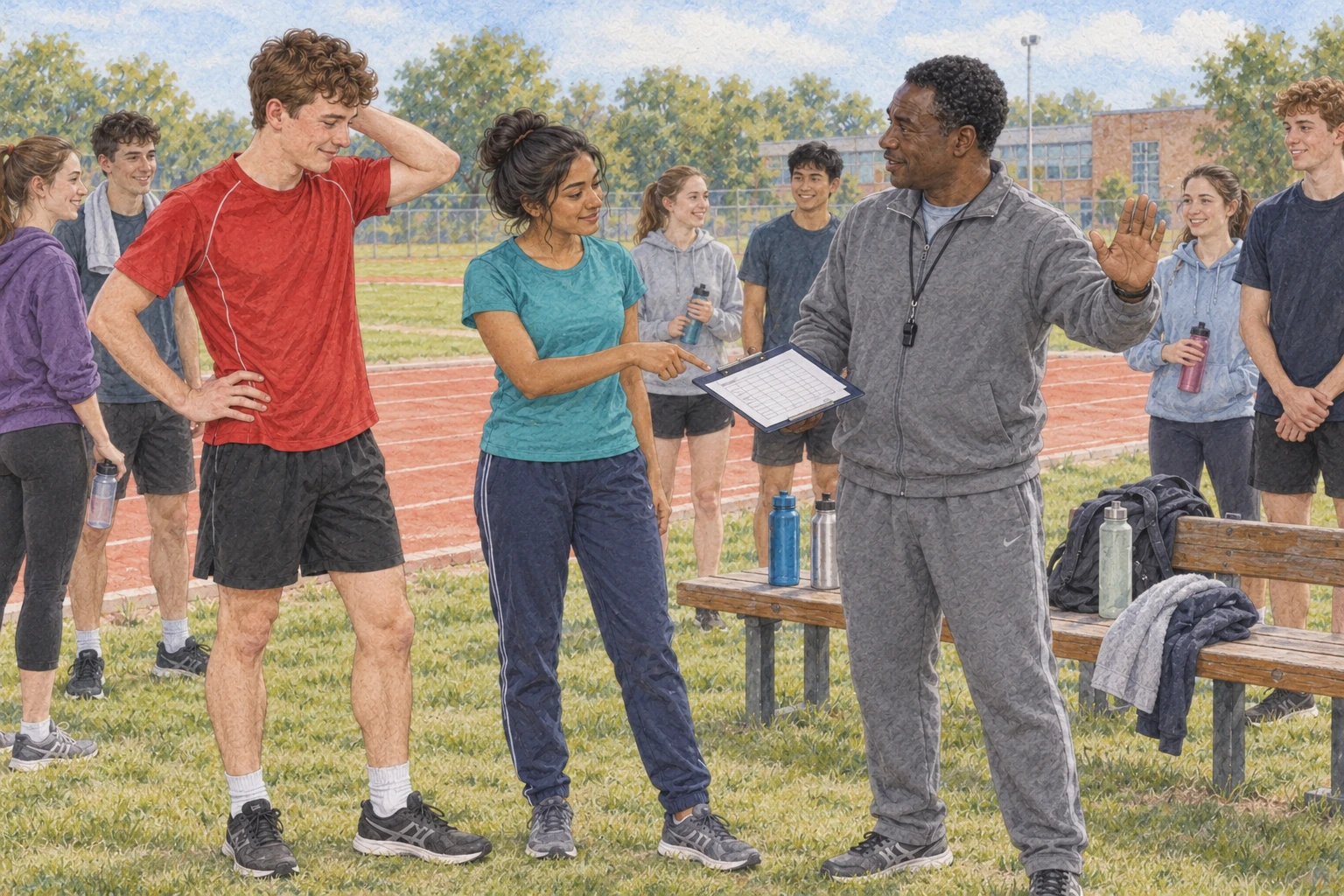
The final signal sounds while he is halfway round. Mr Shaw directs everyone to complete the activity calmly and gather by the bench. Richard’s last unfinished circuit does not count as a full lap, and he accepts the record. Amanda points to their team’s total. Several different paces have produced it. Nobody’s name tells the whole story of the distance the group covered together.
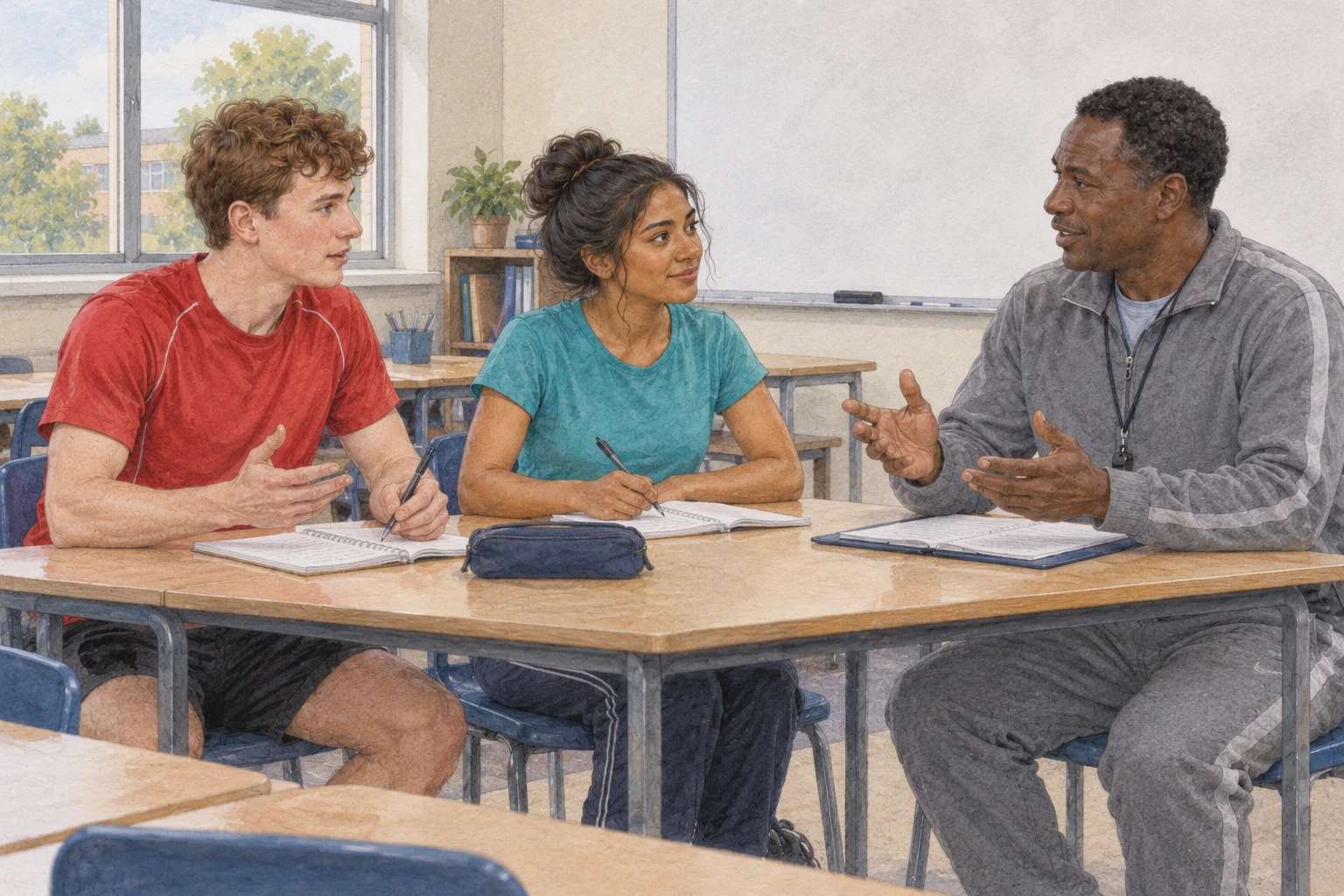
During the class reflection, Richard describes his quick start and the choice to walk later. At first, he wants to call the walk a poor finish. Then he remembers Amanda’s steady progress and the laps he added after his rest. He writes a different sentence: changing pace helped him continue. Mr Shaw asks the class to compare plans rather than compare bodies or assume everyone needs the same target.
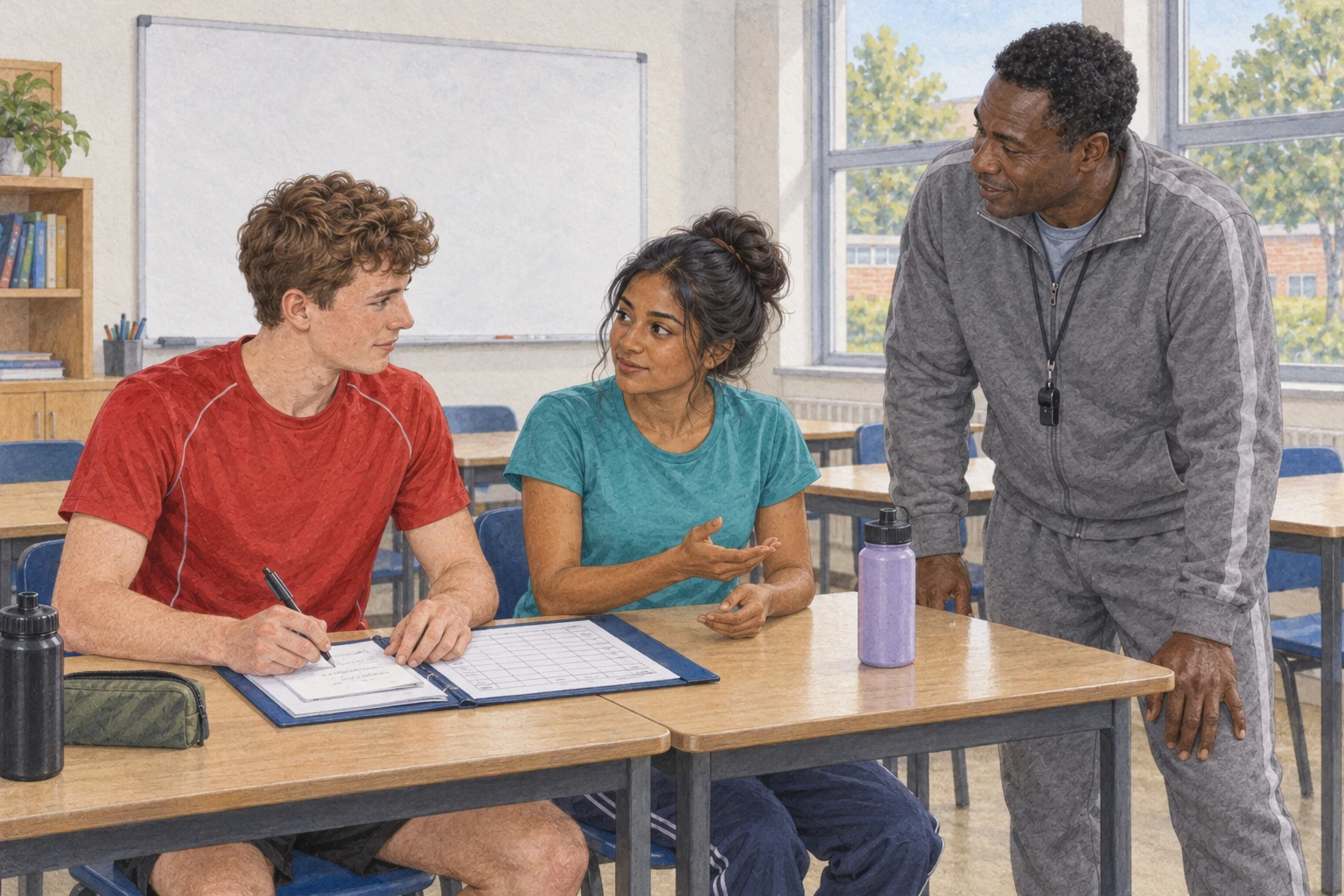
Richard keeps the lap sheet in his folder, with a note for the next challenge. He will begin more steadily and check how he feels before deciding what comes next. Amanda asks whether he still wants a long team distance. Of course he does. But now the total includes something he had left out of his first plan: enough room for each person to take part in a way that works for them.